
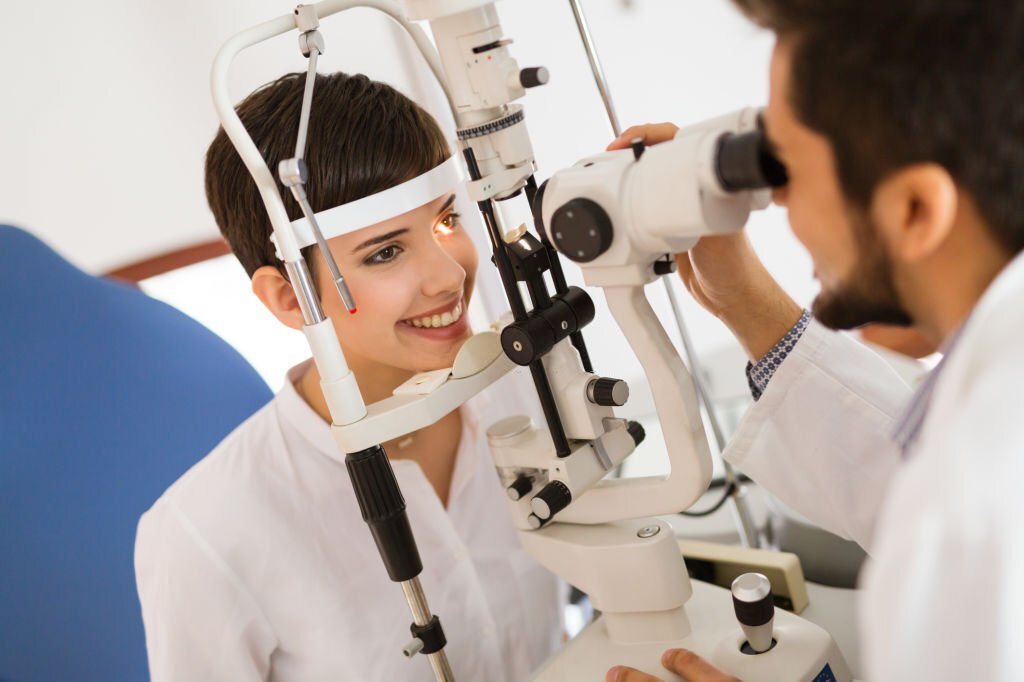
There are multiple options for vision correction, such as orthokeratology (ortho-k) and traditional contact lenses. They differ in several aspects, such as their mechanism of action, comfort, convenience, and long-term effects.
What is Ortho-k?
Ortho-k, or corneal reshaping therapy, is a non-surgical procedure that uses specially designed rigid gas-permeable contact lenses to temporarily reshape the cornea. These lenses are worn overnight, exerting gentle pressure on the cornea, resulting in a temporary change in shape. This temporary reshaping allows for improved vision during the day without contact lenses.
How do Traditional Contact Lenses Work?
Traditional contact lenses are soft lenses made of hydrogel or silicone hydrogel materials. They are worn directly on the eye's surface and provide vision correction by refracting light entering the eye. Traditional contact lenses are available in various types, such as daily disposable, bi-weekly, or monthly replacement lenses.
Comfort and Convenience
For comfort and convenience, traditional contact lenses are often favored. These flexible lenses make them comfortable to wear for extended periods. Ortho-K lenses require overnight wear while providing vision correction during the day. Some individuals may find it difficult to sleep with these rigid lenses in their eyes.
Vision Correction Effectiveness
Both Ortho-K and traditional contact lenses are effective in vision correction. Conventional contact lenses offer immediate vision correction throughout the day. Orthokeratology lenses provide temporary vision correction during the day, eliminating the need for glasses or contact lenses.
Risk Factors and Safety
Traditional contact lenses have a small risk of eye infections, primarily if not appropriately handled. Ortho-K lenses have a lower risk of eye infections than traditional contact lenses, though proper handling and maintenance routines are essential.
Long-Term Effects
Conventional contact lenses are designed for daily wear and must be replaced regularly. Prolonged use can cause corneal hypoxia. When used as prescribed, Ortho-K lenses have positively impacted myopia progression in some individuals, especially children and teenagers. Many research studies show that orthokeratology can slow down myopia progression by up to 50%.
Durability and Maintenance
Traditional contact lenses require regular replacement and daily cleaning and disinfection. Orthokeratology lenses also require regular cleaning and disinfection, but since they are rigid and more durable, they tend to have a longer lifespan.
Cost Comparison
The cost of Ortho-K and traditional contact lenses can vary. Conventional contact lenses require ongoing purchasing and maintenance costs. Ortho-K lenses may cost more upfront since they are custom-designed and require specialized fitting. However, in the long run, ortho-k lenses can be cost-effective as they eliminate the need for daily lens replacements.
Lifestyle Considerations
Ortho-K lenses are particularly beneficial for individuals involved in sports or other activities where wearing glasses or contact lenses during the day may be inconvenient. Traditional contact lenses provide flexibility and are suitable for individuals who prefer the convenience of wearing lenses during the day.
Conclusion
In the debate of orthokeratology vs. traditional contact lenses, there is no definitive answer as to which is better. Both options have their merits and considerations. The choice should be made in consultation with an eye care professional who can provide personalized guidance based on your unique needs and preferences.


