
Discovering that your child's short-sightedness is rapidly worsening every year is highly stressful for any parent. In Singapore — which carries the unfortunate title of the "myopia capital of the world" — this trend is an escalating public health concern. While standard single-vision spectacles restore clear vision, they do absolutely nothing to slow down the physical elongation of the eyeball, meaning your child's prescription will continue to climb aggressively.
Modern pediatric optometry has shifted from basic vision correction to active myopia management. Specialized optical lenses are now clinically proven to slow down prescription progression by 40% to 70%. This guide provides a factual breakdown of the different treatment modalities, local cost structures, and the variables that impact your overall investment in Singapore.
1. What Are Myopia Control Lenses?
Unlike traditional glasses that only focus light directly onto the center of the retina, myopia control lenses are engineered to alter how light hits the outer edge of the eye. By changing the peripheral light properties, these lenses signal the pediatric brain to slow down or halt the elongation of the eye — protecting the child from developing high myopia (prescriptions worse than -5.00 dioptres) by adulthood.
Focuses light correctly in the center, but pushes peripheral light to land behind the retina. This signals the eyeball to grow longer to catch the stray light, actively worsening myopia over time. ↗ Prescription continues to climb year on year.
Focuses light correctly in the center, while pulling peripheral light to land in front of the retina. This eliminates the growth stimulus, halting rapid axial elongation of the eye. ↘ Progression slowed by 40–70% clinically.
2. Structural Tiers: Comparing the 5 Primary Control Methods
Myopia management is not a one-size-fits-all solution. Depending on your child's age, maturity level, corneal shape, and extracurricular activities, a registered optometrist will recommend one of five distinct lens systems.
Custom-designed rigid, gas-permeable lenses worn exclusively during sleep. These lenses use the eye's natural tear film to apply gentle hydraulic pressure, temporarily reshaping the cornea's outer profile overnight.
Lifestyle Benefit: Your child removes the lenses upon waking and enjoys completely clear, unassisted 20/20 vision all day — ideal for sports and swimming without any daytime eyewear.
Child-friendly, single-use soft contact lenses worn during waking hours. They feature a central zone that corrects distance vision, surrounded by alternating rings of treatment zones that create continuous peripheral defocus throughout the day.
Lifestyle Benefit: Incredibly hygienic due to the daily disposal schedule. An excellent choice for mature children playing competitive sports who are not yet ideal candidates for overnight Ortho-K.
These look exactly like standard eyeglasses, but the lens matrix contains hundreds of microscopic, invisible concentric lenslets (HALT technology — Highly Aspherical Lenslet Target). The lenslets are engineered directly into the prescription lens during manufacturing.
Lifestyle Benefit: The most non-invasive method available. Requires zero contact lens handling or nighttime routines — ideal for younger primary school students not yet ready for contact lenses.
A classic treatment path featuring a hard, visible horizontal line cutting across the lens. The top portion is calibrated for distance while the bottom section reduces focusing stress during reading and device use.
Lifestyle Benefit: Reliable and cost-effective, though less cosmetically appealing to modern children compared to the invisible lenslet options above.
Originally engineered for adults dealing with age-related eyesight changes, these center-distance soft contact lenses are sometimes utilized off-label to ease focusing fatigue and slow down myopia progression in older teenagers.
Lifestyle Benefit: Suitable for mature teenagers who require vision correction without spectacles and whose prescription has reached a stabilization phase.
3. Local Cost Structure: What to Expect in Singapore
The cost of myopia management varies based on the mechanical complexity of the device and the level of clinical monitoring required. This overview outlines typical market rates across Singapore practices to help you budget effectively.
| Treatment Modality | First-Year Cost (SGD) | Annual Renewal Cost (SGD) |
|---|---|---|
| Ortho-K Overnight Lenses | $1,500 – $3,000 | $800 – $1,500 Annual lens replacement |
| Specialty Soft Dailies (MiSight) | $1,400 – $1,800 Full year supply | $1,400 – $1,800 Recurring annual cost |
| Advanced Spectacles (Stellest / MiyoSmart) | $400 – $800 Per pair of lenses | Variable Only when prescription changes |
| Executive Bifocal Glasses | $200 – $450 Per pair of lenses | Variable Only when prescription changes |
4. Key Factors Driving the Price Fluidity
When reviewing quotes from local eye care centers, the final package cost is typically driven by four core structural factors.
Complex treatments like Ortho-K require advanced digital corneal mapping. This system maps thousands of data points across your child's eye down to a fraction of a micron to generate a one-of-a-kind lens structure.
High-tier myopia management requires continuous medical monitoring. Comprehensive packages bundle an initial suitability assessment, custom fittings, and follow-up reviews over 12 to 18 months to check corneal health and axial length changes.
Premium spectacle designs like Essilor Stellest and Hoya MiyoSmart leverage patented lenslet configurations. These cutting-edge designs carry higher wholesale costs than standard single-vision or basic progressive lenses.
Because pediatric lenses must withstand impact during play, optical labs often build these designs out of premium, impact-resistant materials like polycarbonate, which adds to the base manufacturing cost.
5. Blueprint for Navigating Your Myopia Management Journey
If you are ready to address your child's changing vision, follow this systematic approach to secure the best clinical outcome and maximize your investment.
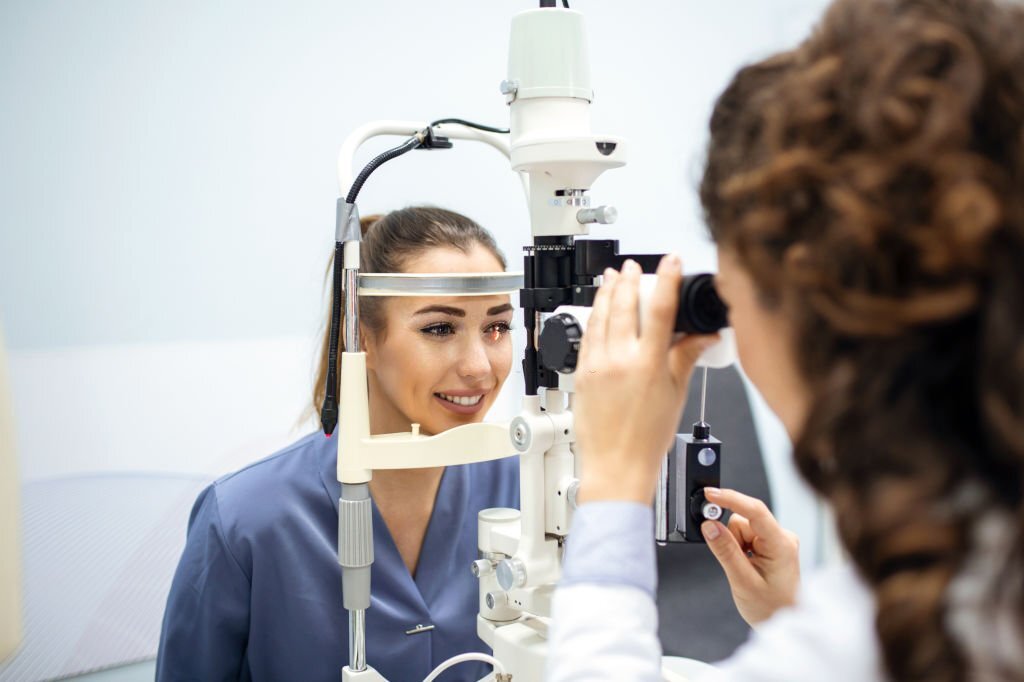
Do not rely on basic school sight screenings. Schedule an evaluation with a registered optometrist who utilizes specialized tracking tools like a corneal topographer or an axial length optical biometer for accurate baseline measurements.
Be honest about your child's daily habits. If they swim regularly or tend to rub their eyes, overnight Ortho-K may provide the best path forward. For younger children not yet ready to handle contact lenses safely, opt for advanced spectacle alternatives like Stellest.
When comparing clinic costs, confirm what is included in the quote. Ensure the price covers emergency replacement terms, diagnostic follow-ups, and structural eye mapping visits for at least the first 12 months of treatment.
Ensure your child follows their exact wearing schedule. Whether it's keeping glasses on all day or maintaining strict lens hygiene at night, consistency is vital to successfully slowing prescription changes.
While paying over a thousand dollars upfront for specialized pediatric lenses can feel daunting, it helps to reframe the expense as a long-term investment in your child's eye health. Allowing myopia to progress unchecked often leads to high prescriptions by adulthood. This elongation permanently thins the internal structures of the eye, significantly increasing the risk of serious, blinding complications down the road — including retinal tears, glaucoma, and myopic macular degeneration.
By choosing a proactive management plan early, you aren't just saving money on thicker lenses in the future. You are actively protecting the long-term health and clarity of your child's sight.
Professional Pediatric Vision Care Across Singapore
At EyeCare Studio, our registered clinical optometric teams use advanced corneal topography systems and specialized pediatric design software to create custom myopia management plans for children. We work closely with you to balance clinical safety, daily convenience, and financial transparency.